
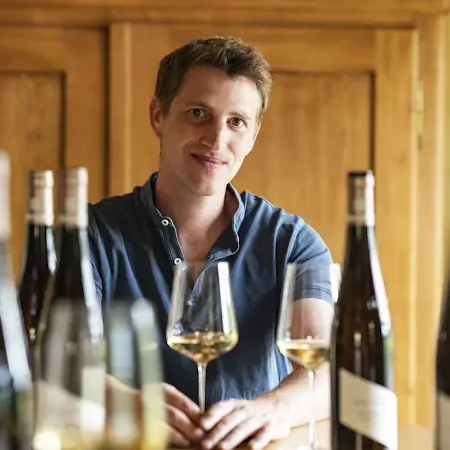
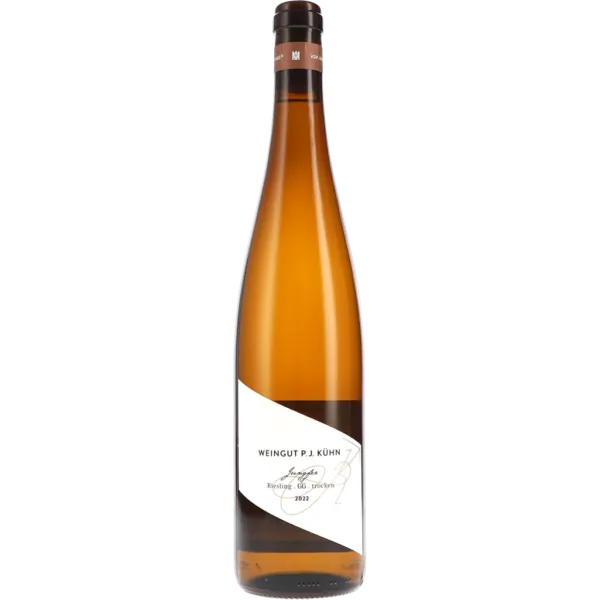
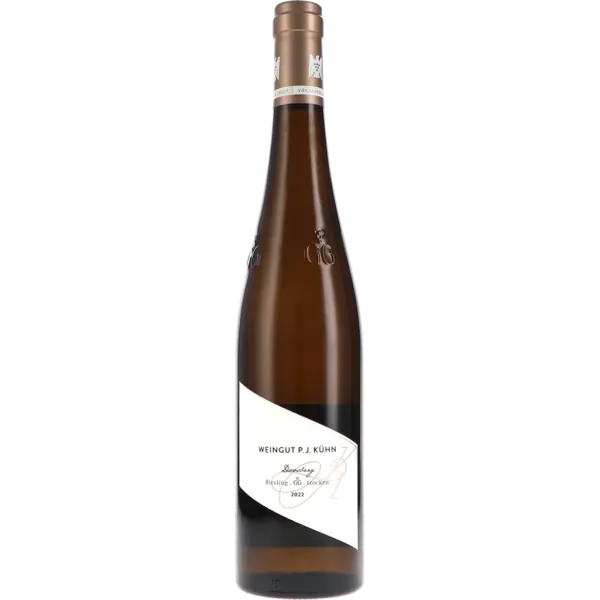
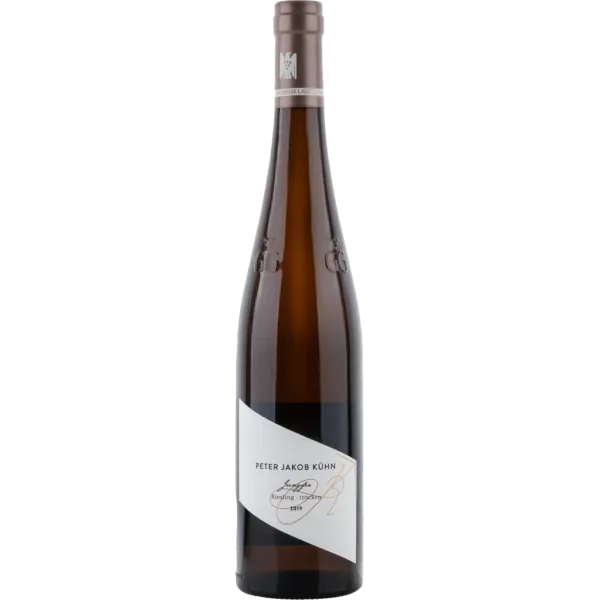
In 1786, Jacobus Kühn founded a wine estate in Oestrich-Winkel – his first name still graces the entry-level wine to this day. Today, Weingut Peter Jakob Kühn is run by the twelfth generation, Peter Bernhard and Viktoria. Almost exclusively Riesling vines grow here across 21 hectares, cultivated according to Demeter guidelines. What was once considered eccentric in the conservative Rheingau has now proven to be a strength: Rieslings of crystalline clarity, carried by slate and quartzite, without heavy use of wood or extended ageing. The Großen Gewächse from Doosberg, Jungfer and St. Nikolaus are among the finest that German Riesling has to offer.
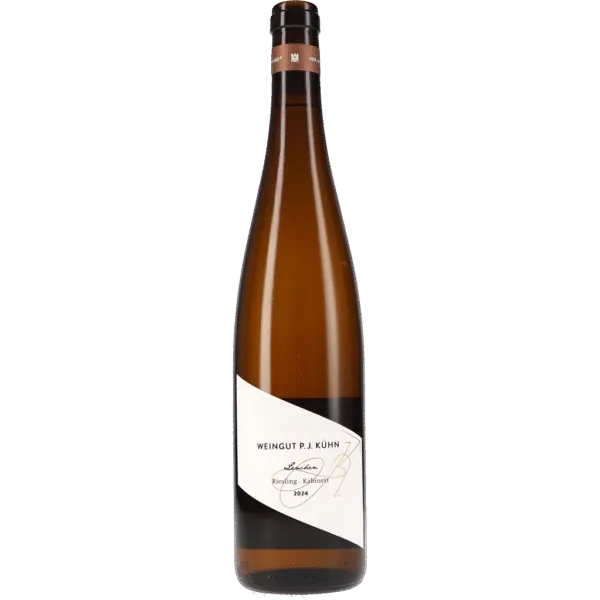
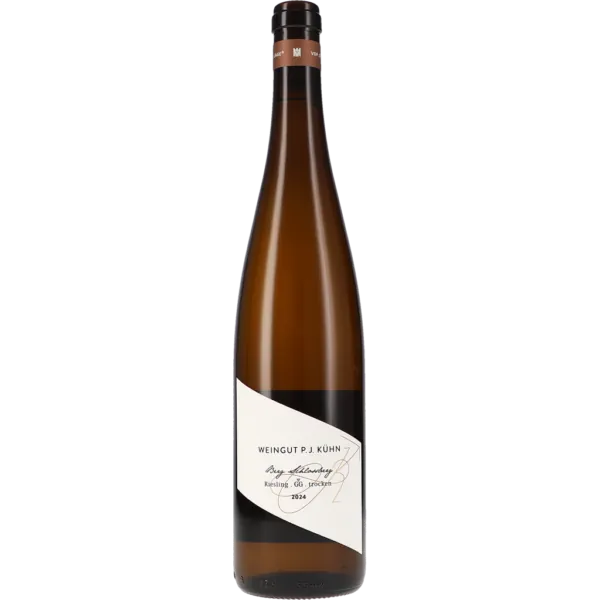
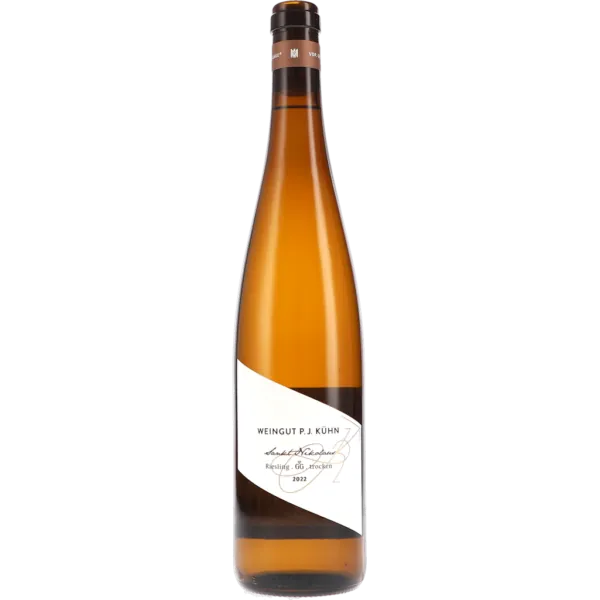
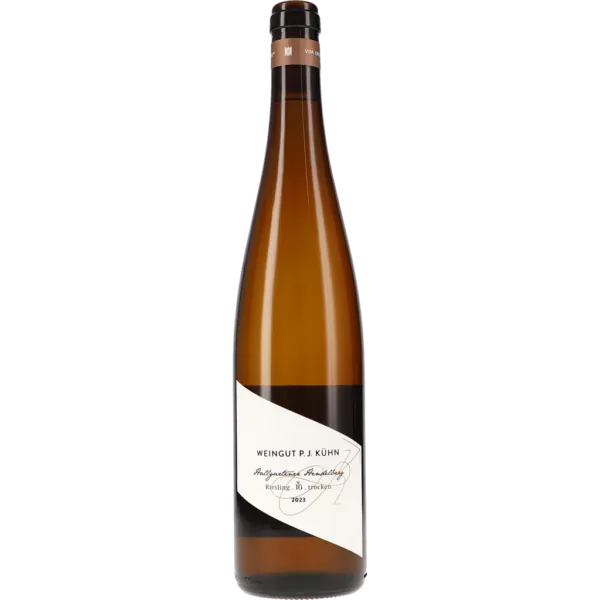
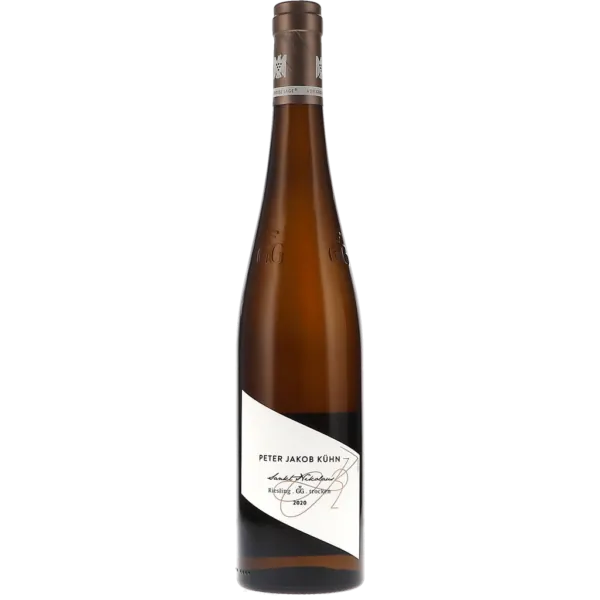
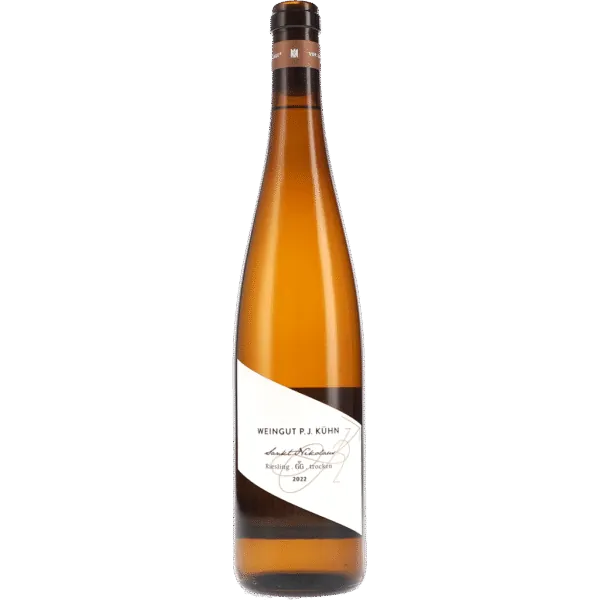
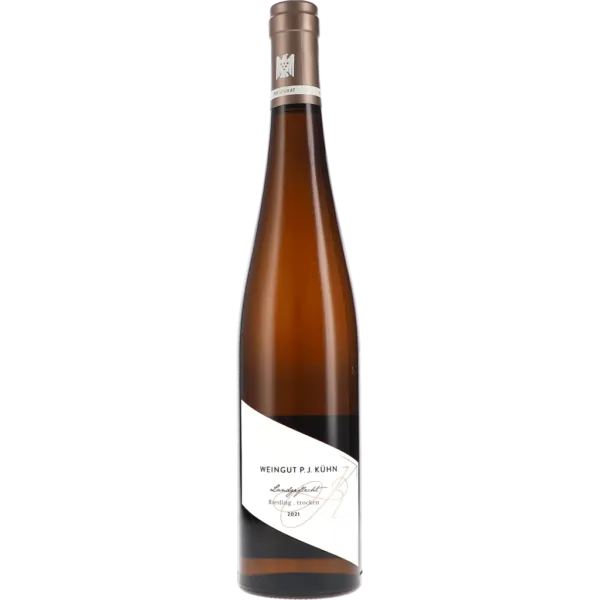
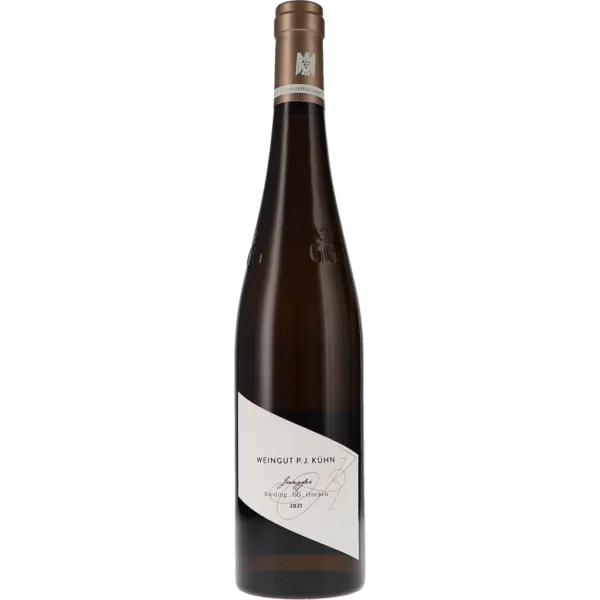
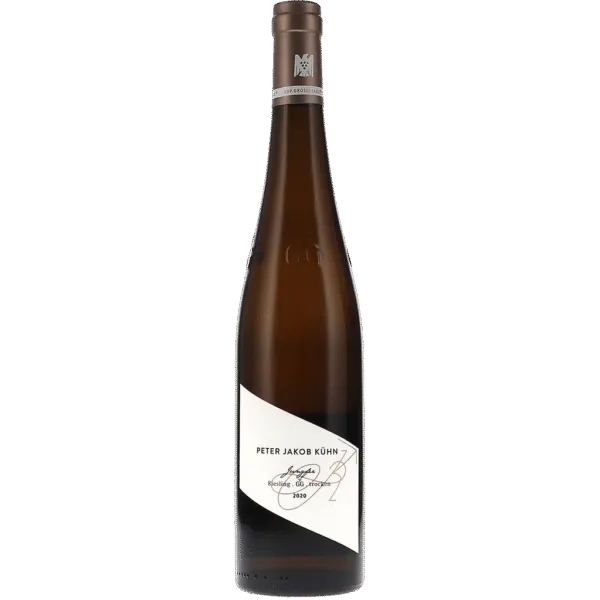
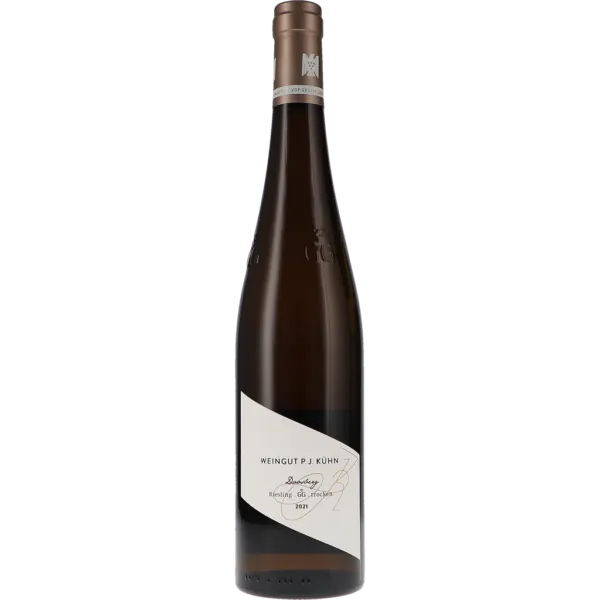
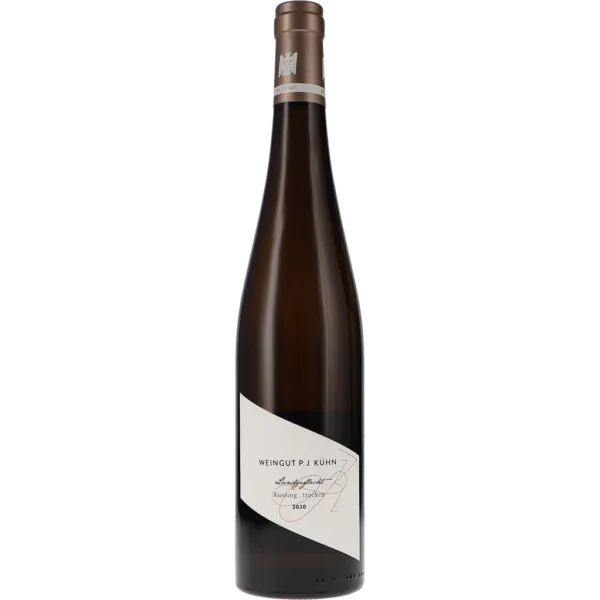
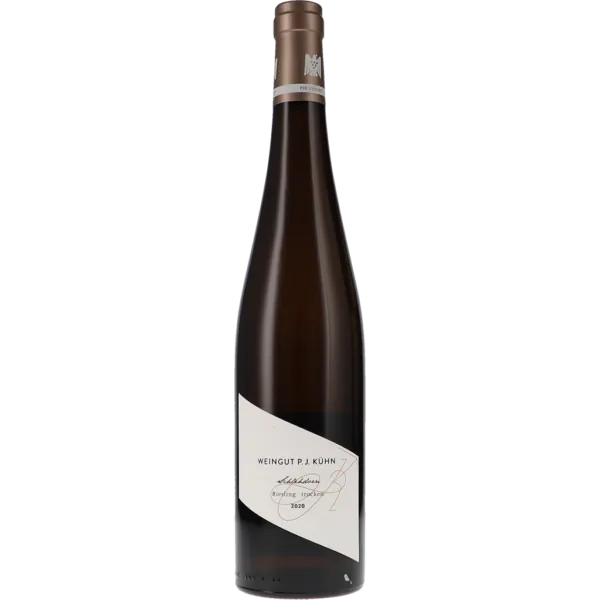
More about Peter Jakob Kühn
From Jacobus to Peter Bernhard: Twelve Generations of Riesling
The name of the entry-level wine gives it away: Jacobus was the man who founded the estate in Oestrich-Winkel in 1786. Since then, the Kühn family has never let the property out of their hands. In 1978, Angela and Peter Jakob took over as the eleventh generation – and began a radical transformation. Away from mass yields, towards quality. Away from chemicals, towards the Riesling grape as an expression of their terroir.

Demeter in the conservative Rheingau
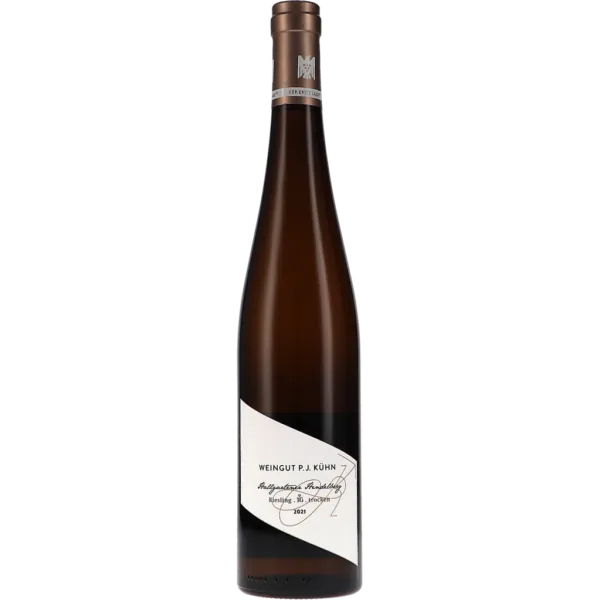
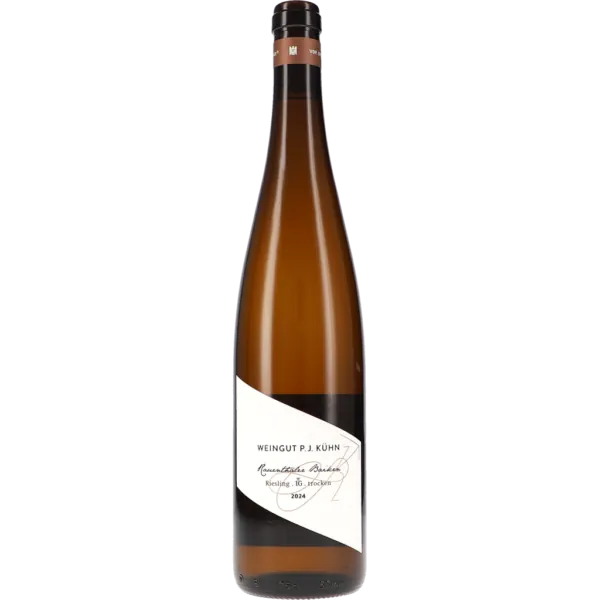
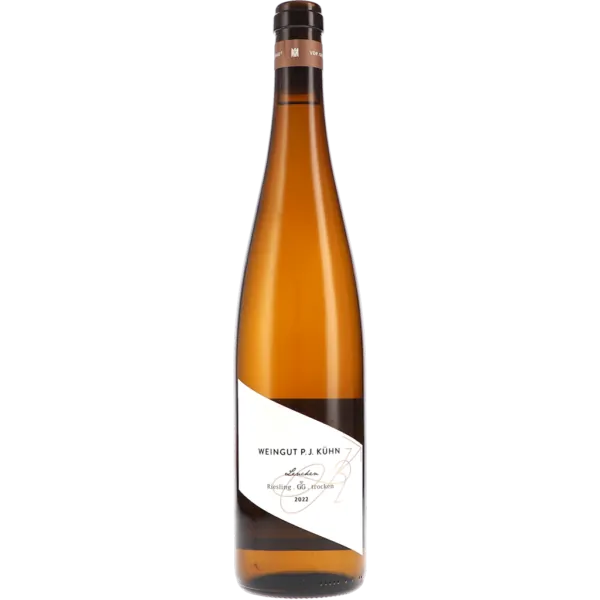
When Peter Jakob Kühn converted to biodynamic farming in 2004, all he reaped in the tradition-conscious Rheingau was shaken heads. Sheep between the vine rows? Horn manure and valerian? For many neighbours, this was esoteric nonsense. The estate has carried the Demeter seal since 2009 – and the critics have fallen silent. In recent years, the Rauenthaler Baiken and the Rüdesheimer Berg Schlossberg vineyard sites have joined the ranks of Doosberg, Klosterberg, Lenchen, St. Nikolaus, Hendelberg and Jungfer. Year after year, the 21 hectares provide the proof: biodynamics and top quality are not mutually exclusive, they depend on one another.
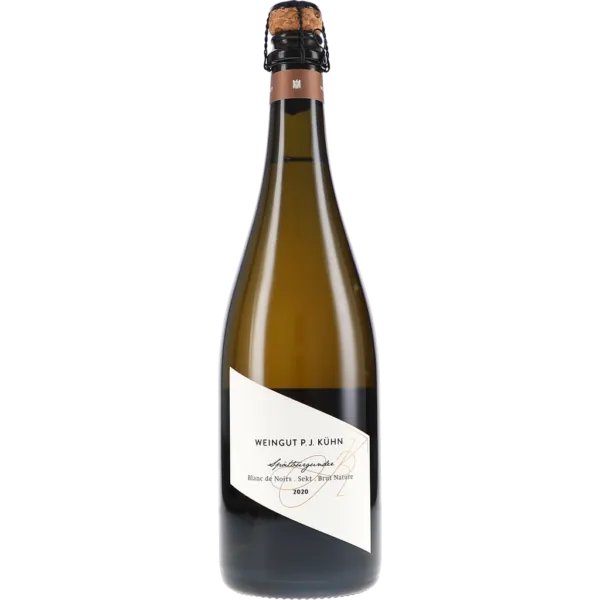
In the cellar, the same philosophy of restraint prevails. Spontaneous fermentation, no fining, minimal sulphur use. The wines find their own way; the winemaker merely accompanies them. The result does not taste of method, but of place: Doosberg with its cool minerality, Jungfer with its delicate spice.

Alsatian school, Rheingau signature
A new chapter began in 2012 when Peter Bernhard and his wife Viktoria joined the estate. Their son had previously worked at Zind-Humbrecht in Alsace and with various Burgundy producers. What he brought back: an even finer feel for acid structure and extraction. The wines became more precise, their contours sharper. The VDP classified several vineyard sites as Grosses Gewächs – a confirmation of what connoisseurs had long known.
From Jacobus to Trockenbeerenauslese
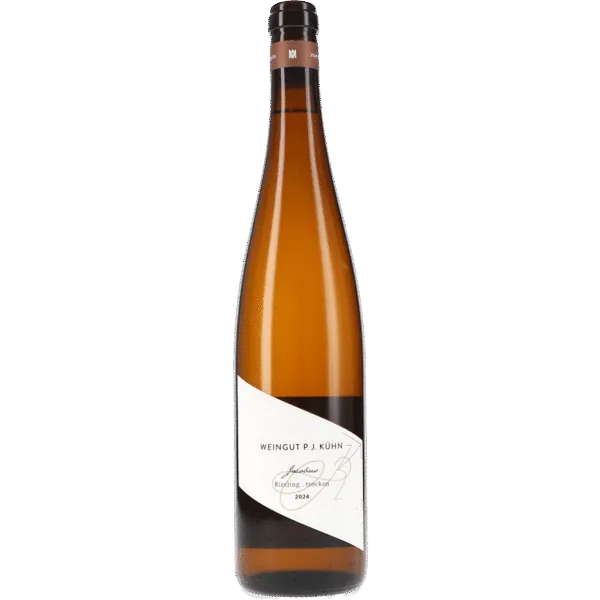
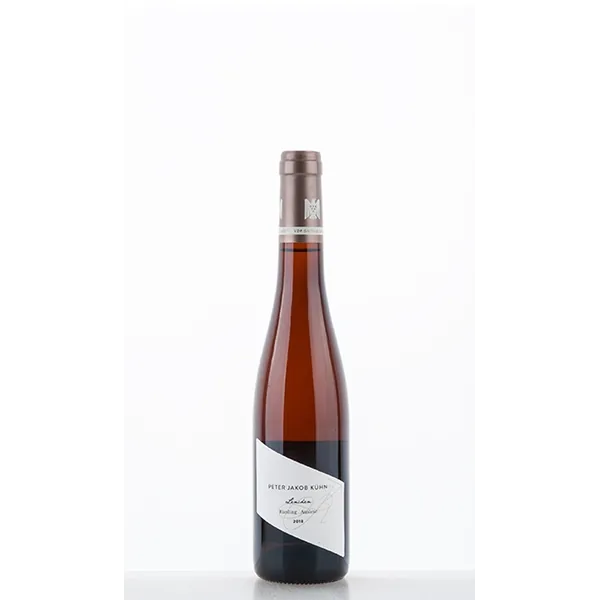
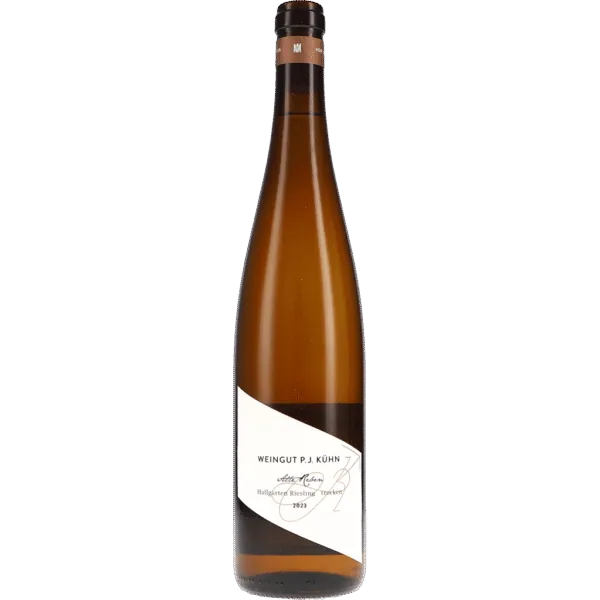
The entry-level wines – Jacobus, Alte Reben (formerly Rheinschiefer), Quarzit – already set benchmarks in their category. Those who start here gain an inkling of what follows in the Erste Lage and Grosses Gewächs wines. The noble sweet Auslese and Beerenauslese wines from the Lenchen vineyard site reveal another side: concentrated yet never heavy, with an acidity that carries even high residual sugar levels elegantly. The Kühn family commands the entire spectrum of Riesling – from bone-dry to lusciously sweet, always with the same signature: transparent, mineral, living.