

Tasting note
- Character
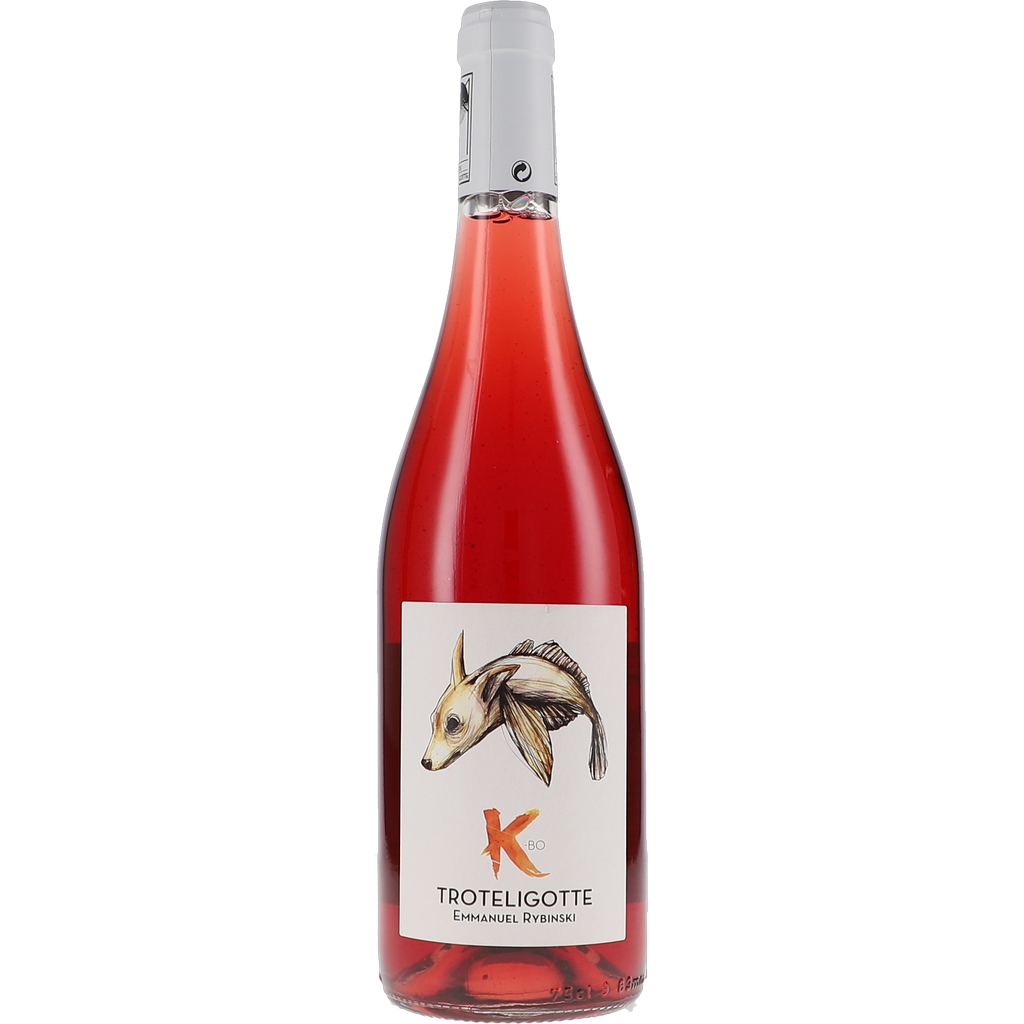
- The label makes no attempt to sugar-coat anything: not a rosé, but not a red wine either – a chimera. In the glass, the wine appears light red; on the nose it is fresh and inviting with pomegranate, cranberries and sour cherries, accompanied by fine herbal notes. On the palate it is clear, fresh and dry, with barely any tannin and a flow that invites you to sip away; fruit, herbs and spice hold together wonderfully. Winemaker Emmanuel Rybinski calls it “something like a Negroni spritz, very refreshing” – this wine could hardly be described more aptly. In Bordeaux, incidentally, such a wine is called a claret; this is what the English used to call Bordeaux wines, because they were much lighter in colour than what had been drunk there before.
- Terroir & Origin
- Clos Troteligotte lies in the Cahors region, where Christian Rybinski revived the vineyard in 1987; in 2004 his son Emmanuel took over the estate. The 16 hectares of vines are surrounded by oak forest and wild meadows, trees stand in the middle of the plots, and sheep and pigs roam between the rows. The estate has been EU organic certified since 2014, and since 2017 it has been farmed biodynamically according to Demeter guidelines, albeit without Demeter certification – Clos Troteligotte has carried the Biodyvin label since 2021. The estate’s cuvée names play with the letter K and the word Cahors.
- Grape Variety & Vinification
- Four grape varieties go into this wine: Jurançon Noir, Gamay, Gibert and Merlot. The vines are 50 years old, and the yield is 40 hectolitres per hectare. The grapes are pressed directly, with no maceration; fermentation is spontaneous, after which the wine matures for six months in stainless steel tanks. The result is a dry Vin de France with just 12.0% ABV, whose fruit remains clear and unadorned.
- Food Pairings
- Served well chilled, but not too cold, so that the fruit remains recognisable, the K-bo pairs beautifully with charcuterie, grilled vegetables and tomato dishes of all kinds. It feels just as at home during a picnic in the countryside as it does as a cool aperitif at the start of a long evening.


