Tasting note
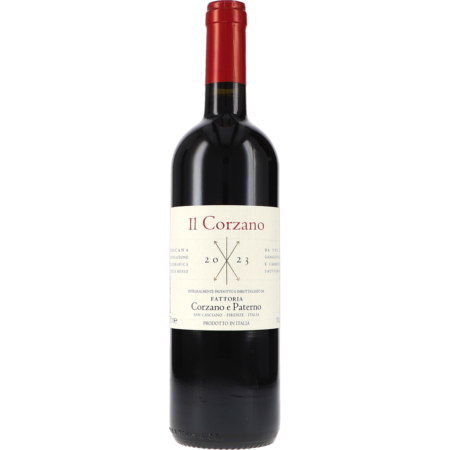
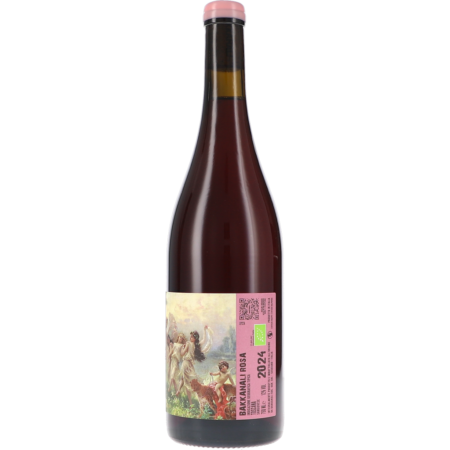
A rosé from Tuscany that aspires to more than mere terrace decoration: the Corzanello Rosato shows what Sangiovese can achieve when it is harvested early, fermented cool and its structure taken seriously. No pale imitation of Provence, but a wine with fruit, grip and a Mediterranean accent.
- Colour & appearance
- Bright, deep rosé with hibiscus-coloured reflections – luminous and inviting in the glass.
- Nose
- Sweet cherries in full volleys, almost exuberantly fruity without ever becoming cloying. Behind this lies a herbal-spicy foundation: bay leaf, rosemary and thyme, accompanied by a delicately saline note reminiscent of a summer evening beneath a cherry tree.
- Palate
- Surprisingly disciplined given the opulent nose: firm on entry, contoured by fine, almost powdery tannins that lend the rosé an unusual texture. The cherry extract is carried by a mild, broad-spanning acidity that ensures tremendous drinkability.
- Finish
- Fresh and juicy, with lingering cherry and a delicate herbal aftertaste – served chilled, a pleasure you will not want to wait for.
- Terroir & origin
- The Corzano e Paterno estate of the Gelpke-Goldschmidt family lies at around 300 metres above sea level in Tuscany, on calcareous, clay-rich soils with pebbles – relics of a former seabed. Only 17 of the 140 hectares are planted with vines; between them grow 4,000 olive trees, and 600 sheep of Sardinian breed keep the landscape open and the soil alive.
- Grape variety & vinification
- Mostly 100% Sangiovese, in rare years with a dash of Cannaiolo. Hand-harvested, immediately cooled, whole-bunch pressed including stems, spontaneous fermentation at 13–15 °C, then around four months on the fine lees. Malolactic fermentation is deliberately avoided – in favour of freshness.
- Food pairings
- The firm structure can handle more than the usual rosé fare: grilled prawns, Panzanella, Pecorino from the estate itself (the property produces 13 varieties of cheese), pizza with fennel salami or simply Antipasti misti at sunset.
- Special features
- A rosé with genuine tannins is a rarity – here they give the wine contour and food-friendliness. Add to this organic cultivation and the mixed farm with sheep and olive groves: Tuscan viticultural tradition in its most authentic form.