
 EN
 DE
 FR
 IT

For over 200 years the Nizzoli family has farmed its vineyards in the hills of Reggio Emilia. Azienda Agricola Cinque Campi, named after the estate's oldest parcel, stands today for authentic, natural Lambrusco, far removed from the sweetish mass-market product that once damaged the name.
Vanni Nizzoli, a trained oenologist and a protagonist of the Lambrusco renaissance, took over the family estate in 2003 and converted consistently to organic farming. His philosophy: wines are made in the vineyard, not in the cellar. That is why he forgoes fining, filtration and added sulphites; total sulphur stays below 10 mg/L.
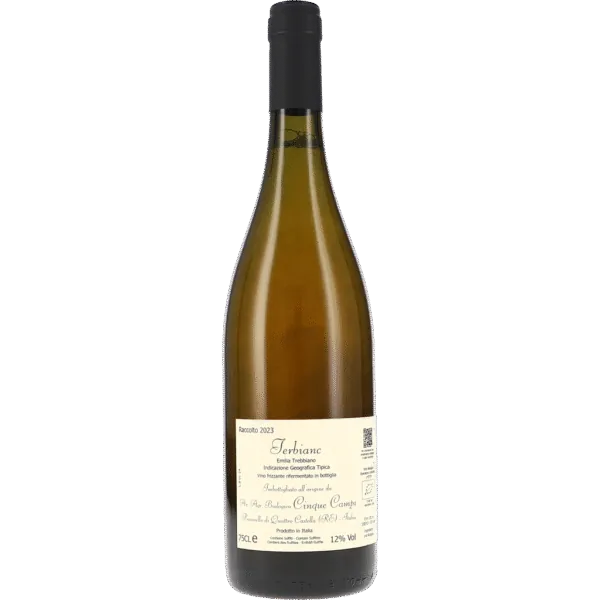
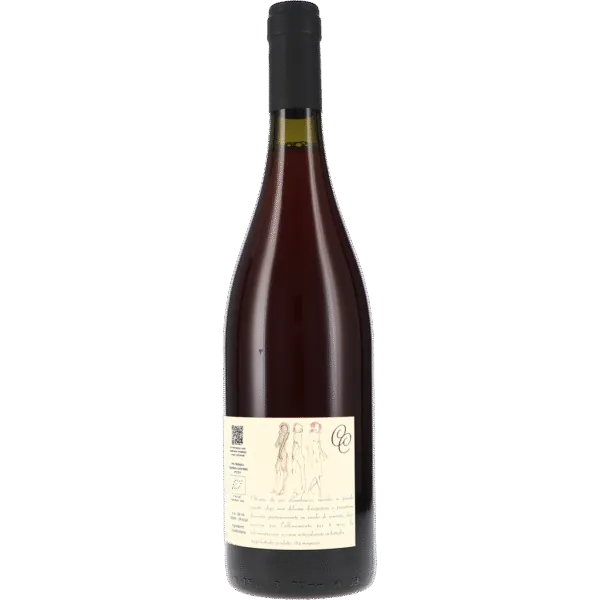
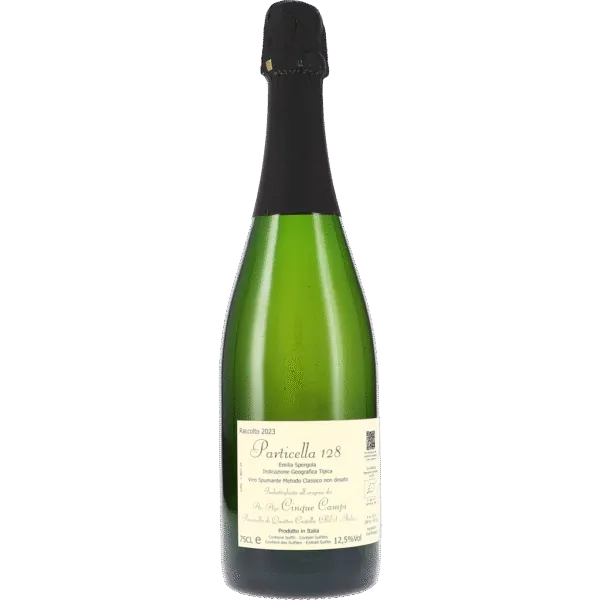
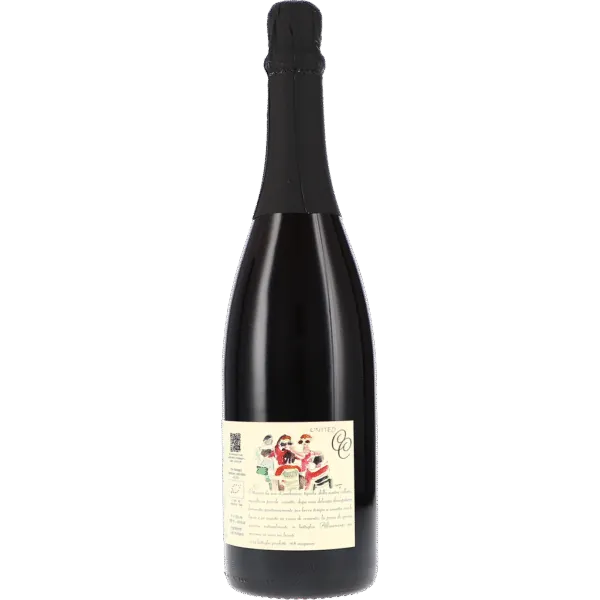
More about Cinque Campi
Terroir at the foot of the Apennines
The seven hectares of vines are spread over four sites (Cinque Campi, Le Marcone, Botteghe and La Bora Lungha) on a Pliocene terrace at 200 metres. The soils of clay, sand and silt with a high silicate content give the wines the mineral freshness that Vanni calls “the skeleton of the wine”. The oldest vines date from 1948, and one small parcel even holds 120-year-old vines of Spergola, Trebbiano and Malbo.
Exclusively indigenous grape varieties shape the range: Lambrusco Grasparossa for the characterful reds, Malbo Gentile and Marzemino as blending partners, Spergola and Trebbiano for the whites. A meeting with the natural wine pioneer Jean-Pierre Robinot strengthened Vanni on his path: “Why go to the trouble if you add so little anyway?”

Luna Calante, Vino Spumante
The wines of Cinque Campi follow a centuries-old principle: spontaneous fermentation with wild yeasts, no additives, no intervention. The second fermentation in the bottle takes place not with industrial sugar or yeast but exclusively with chilled must from the estate's own grapes. Depending on the amount of must, the result is a lighter Frizzante or a more forceful Spumante such as the Particella 128.
A local saying sets the rhythm: “Luna Calante, Vino Spumante”, meaning bottling happens under a waning moon. Riddling and disgorging are done by hand, at most 600 bottles per batch, together with the parents, who still help Vanni at the harvest. Even the labels have a family character: the drawings are by Vanni's son Flavio.

The wines: honest and unfined
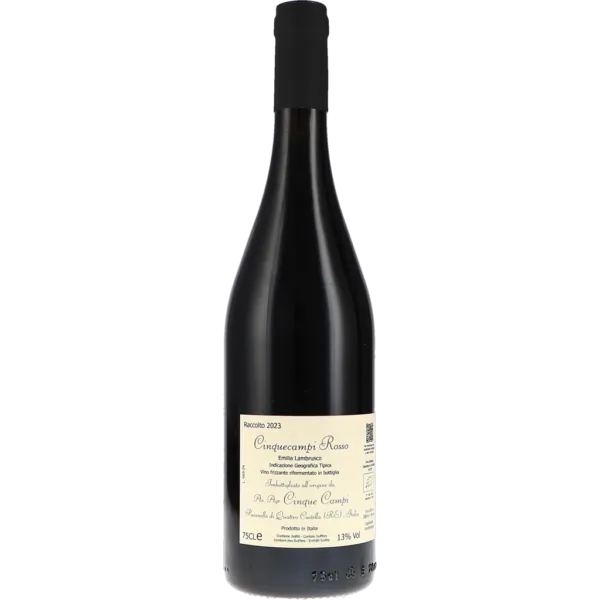
The CinqueCampi Rosso is the flagship: a Lambrusco Frizzante of 75-80 % Grasparossa, complemented by Malbo Gentile and Marzemino. Dark violet, with aromas of wild berries and violets, dry, with a fine perlage: this is how Lambrusco tasted before industry watered it down.
The Rio degli Sgoccioli shows the white side: a Spumante from Spergola with a golden colour and complex aromatics. Anyone looking for a summery rosé will find in the Fuorleggero a lively Rosato Frizzante from Lambrusco grapes, perfect with mortadella, Parmigiano and other specialities of Emilia.
More than just wine
Cinque Campi is not a winery in the classic sense but a farm with a history. Besides the wines, Vanni also makes an award-winning Condimento Balsamico that matures for at least 12 years in wooden barrels, outside the DOP regulations but with the same devotion. And Saba, the cooked grape must, traditionally drizzled over freshly fallen snow.
As a member of VinNatur, Cinque Campi stands for uncompromising naturalness: 100 % grapes, nothing else. Those who value this philosophy will also find kindred spirits at Casa Coste Piane in the Veneto. The wines are lively, sometimes wilful, but always honest, like the family that has been producing them for generations.